
Venom. Poison. Misfortune!
Heinous killers or misunderstood miscreants? You be the judge.
General Info
Date: Opening June 27, 2026! Choose your preferred date in the ticket selector (your ticket allows you to enter anytime during open hours)
Duration: approx. 60 minutes
Location: The Paperworks (1115 Front Street, Sacramento, CA 95814)
Age requirement: recommended for ages 8 and up
Accessibility: wheelchair accessible
Please consult the FAQs of this experience here
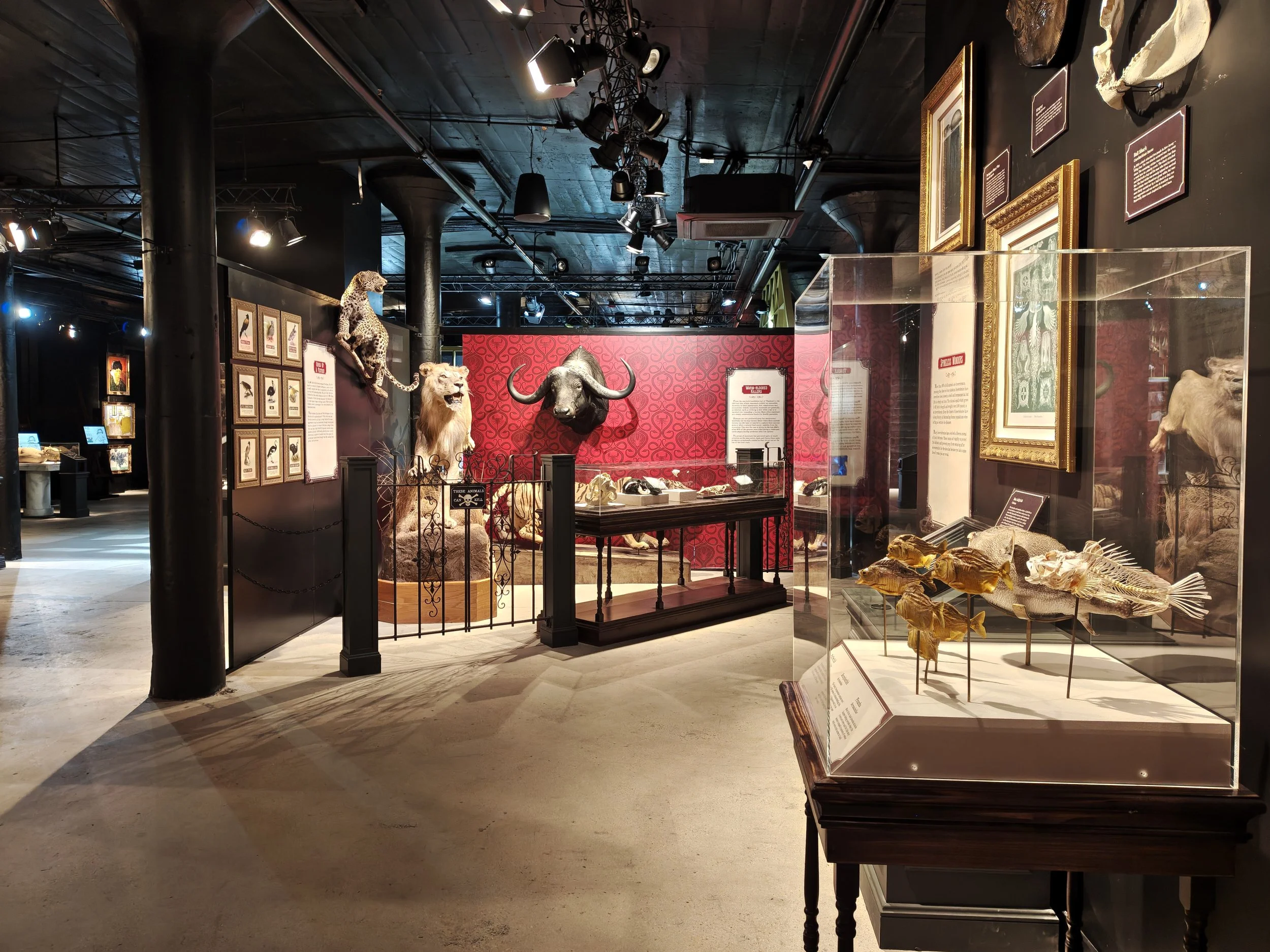
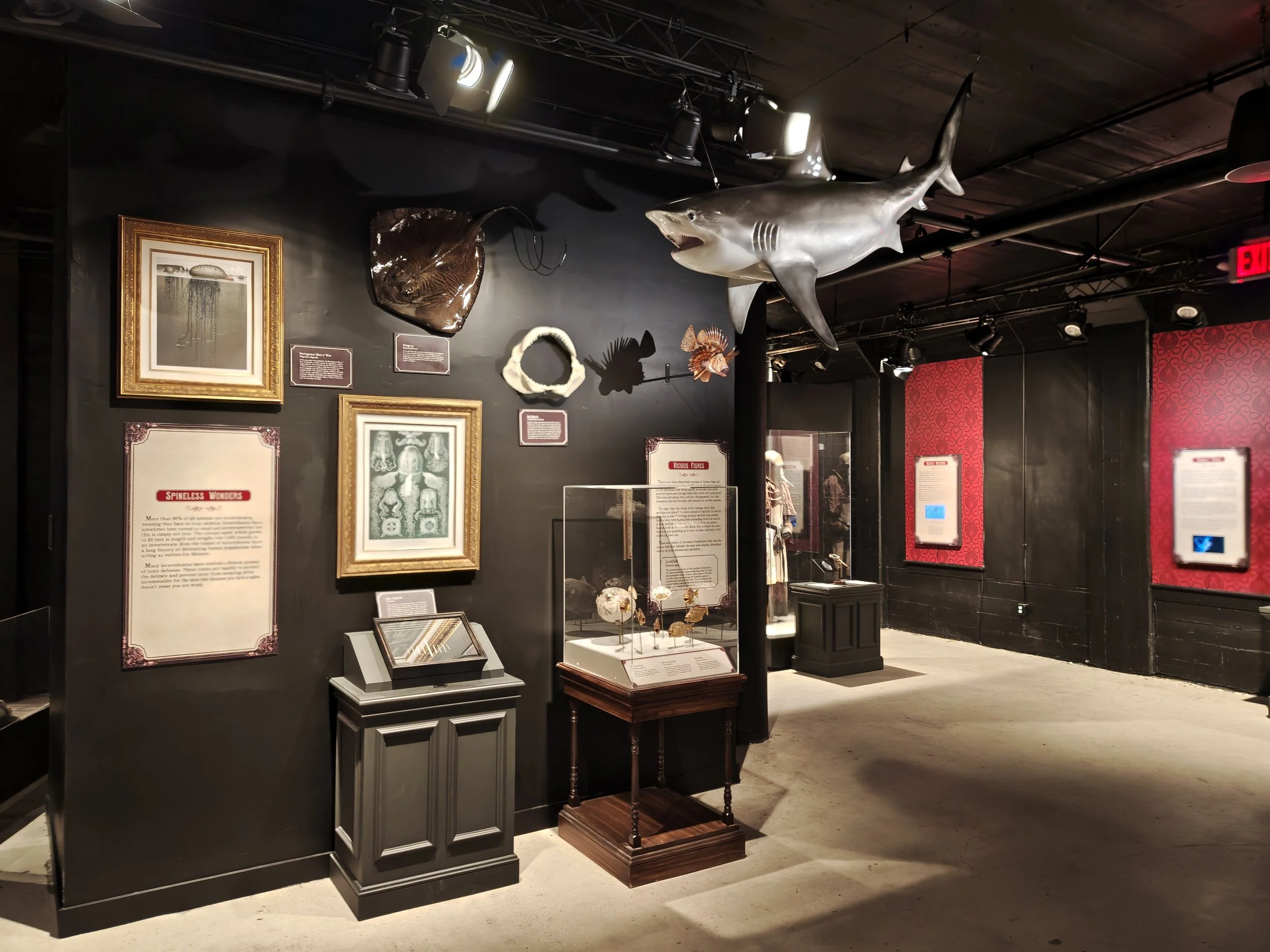
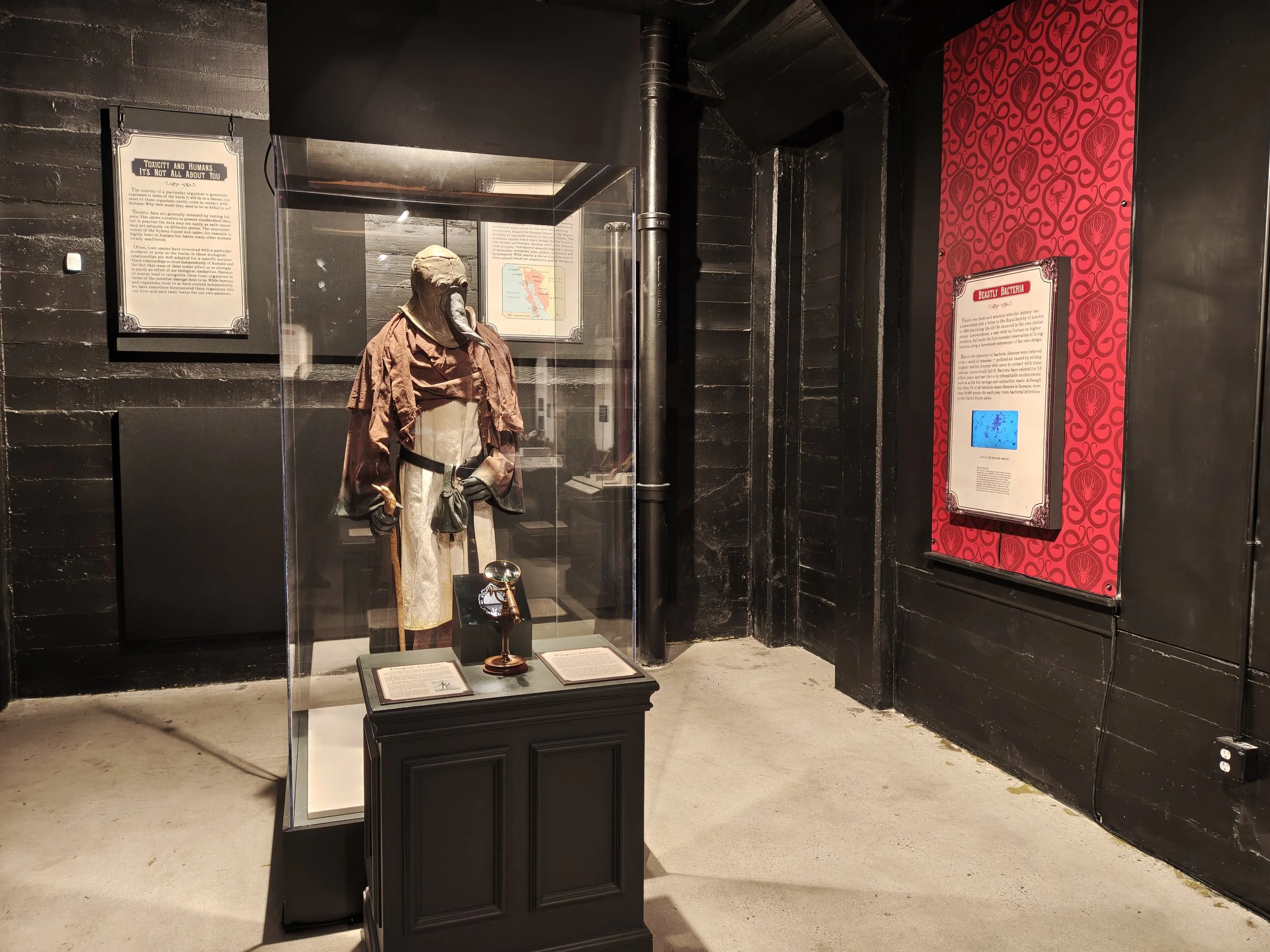
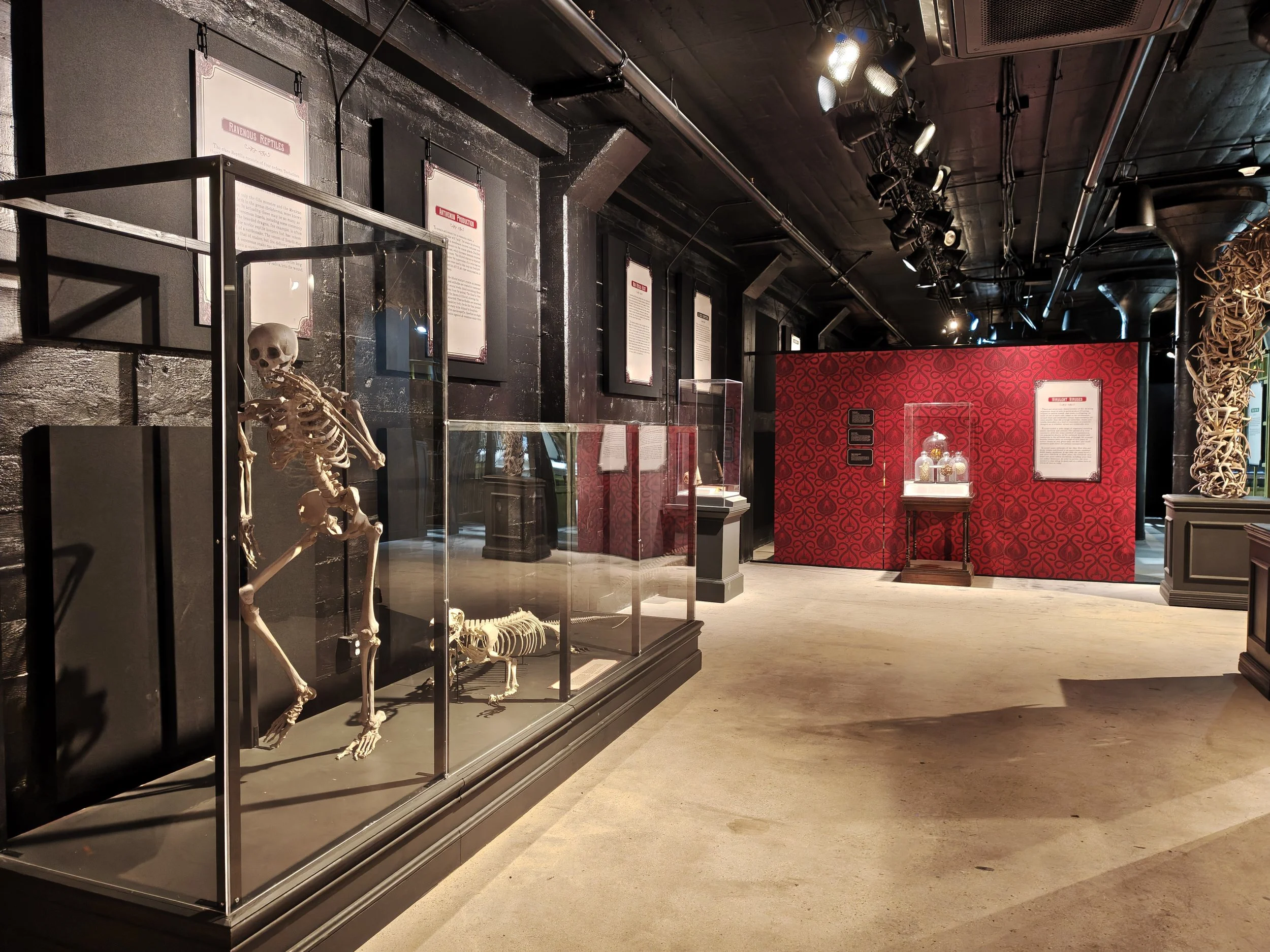
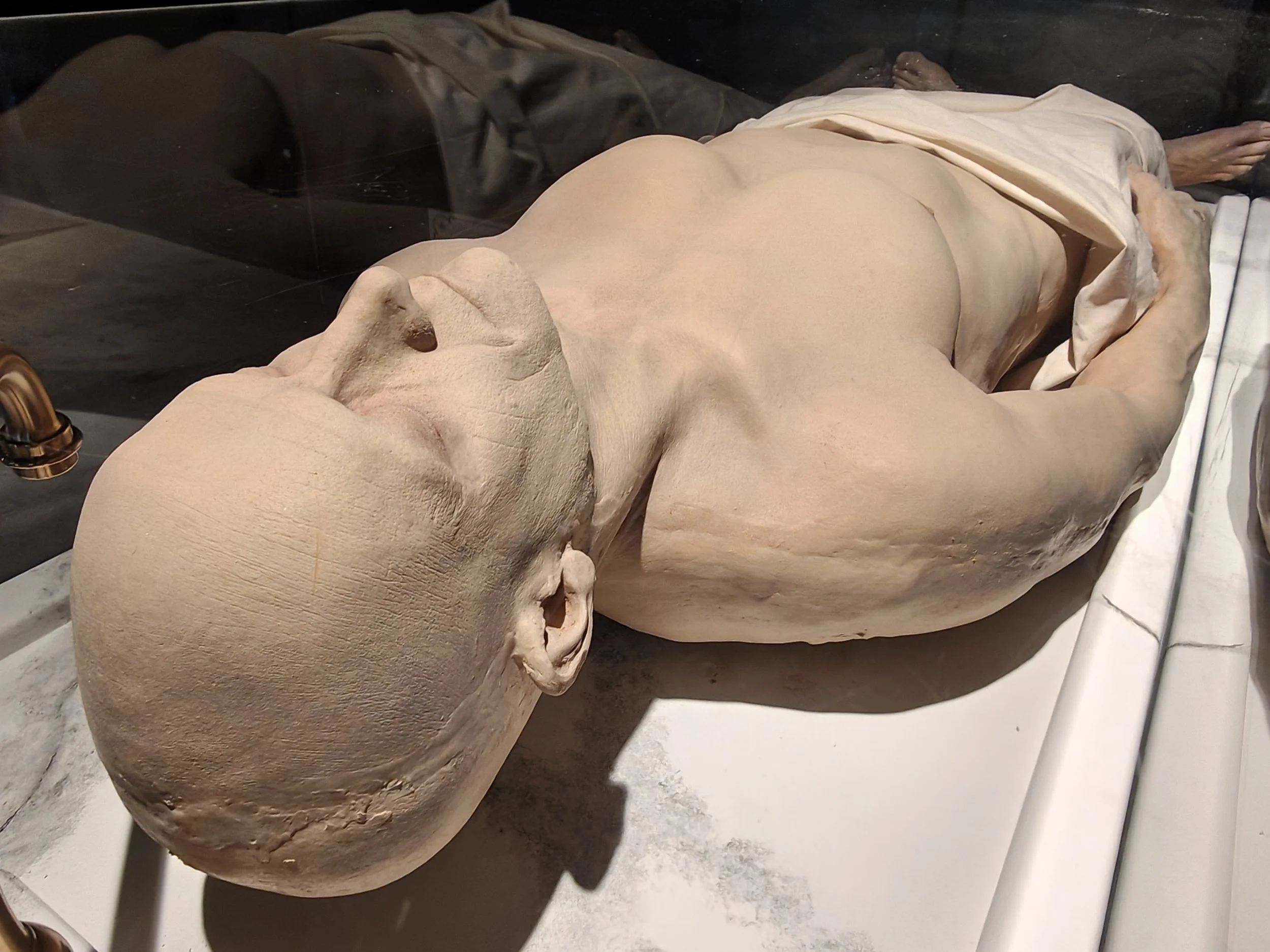
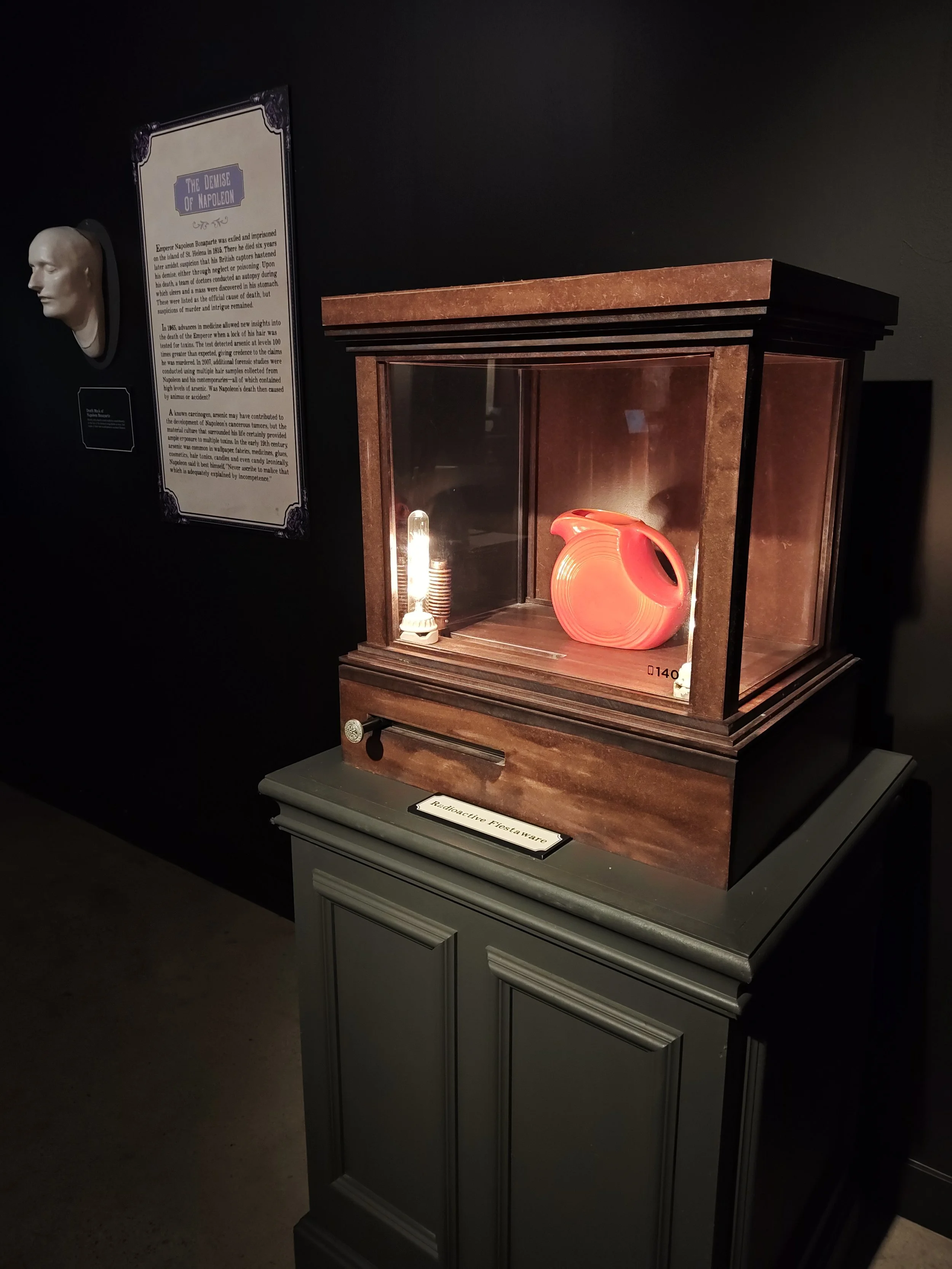
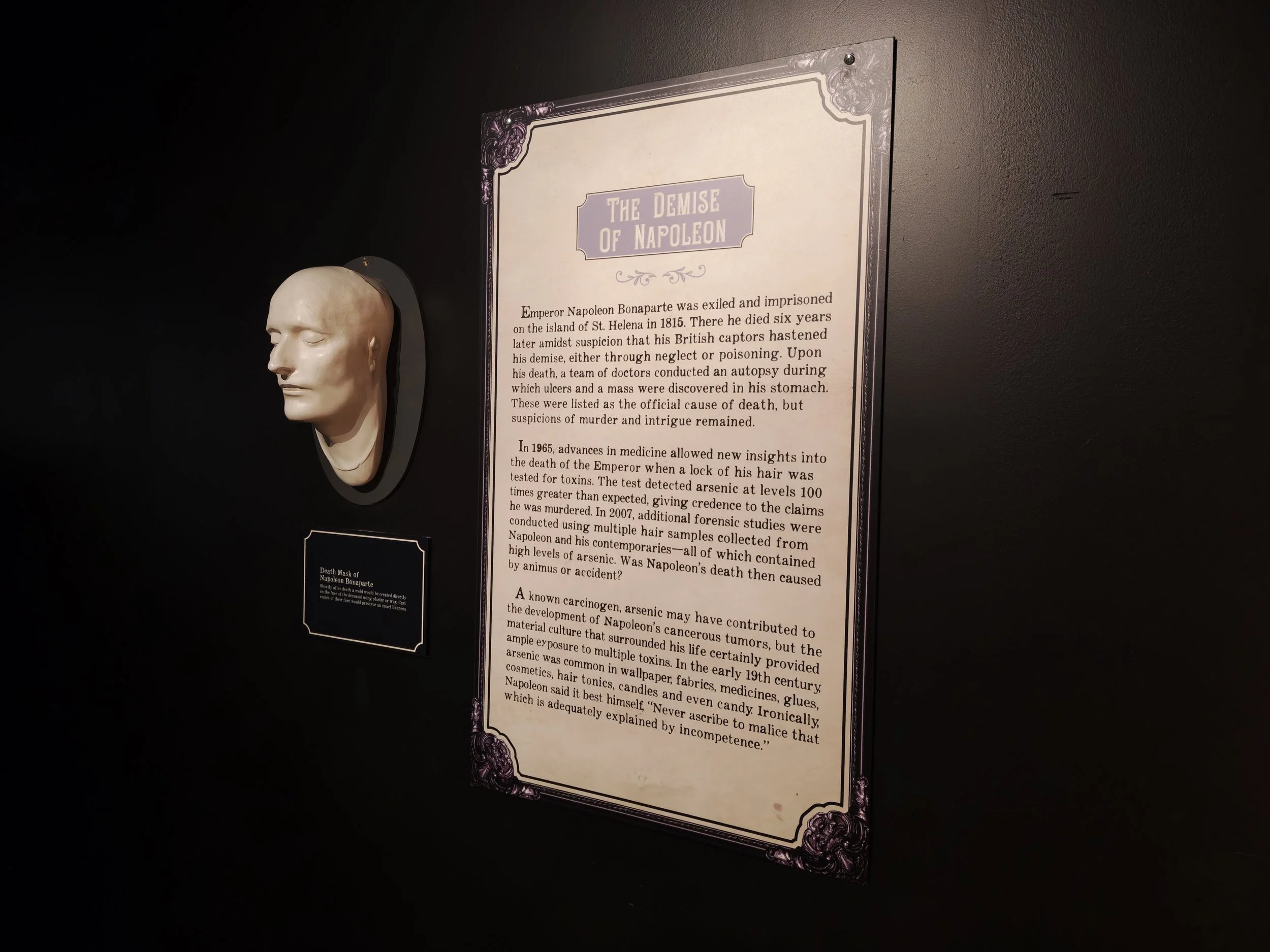
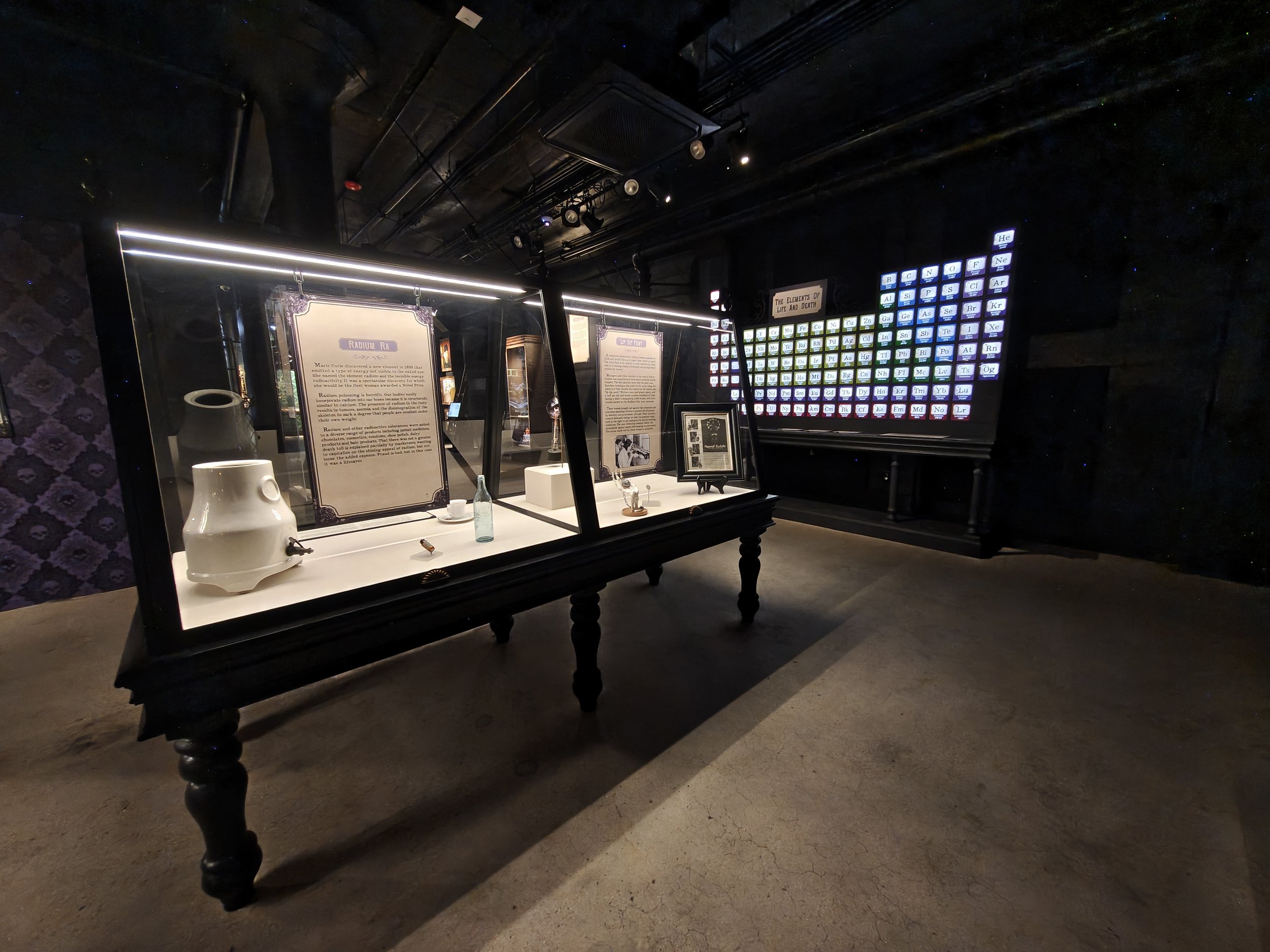
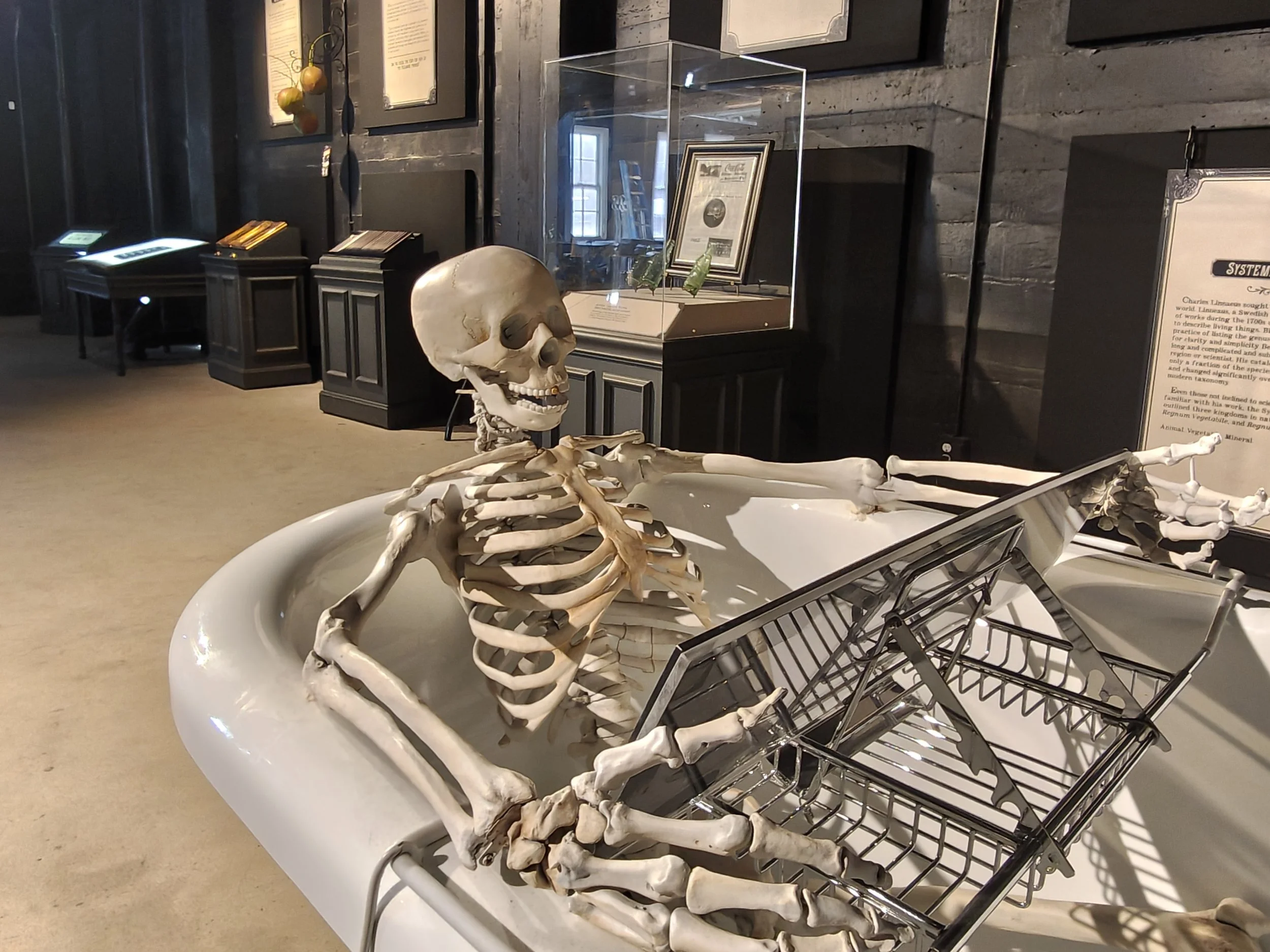
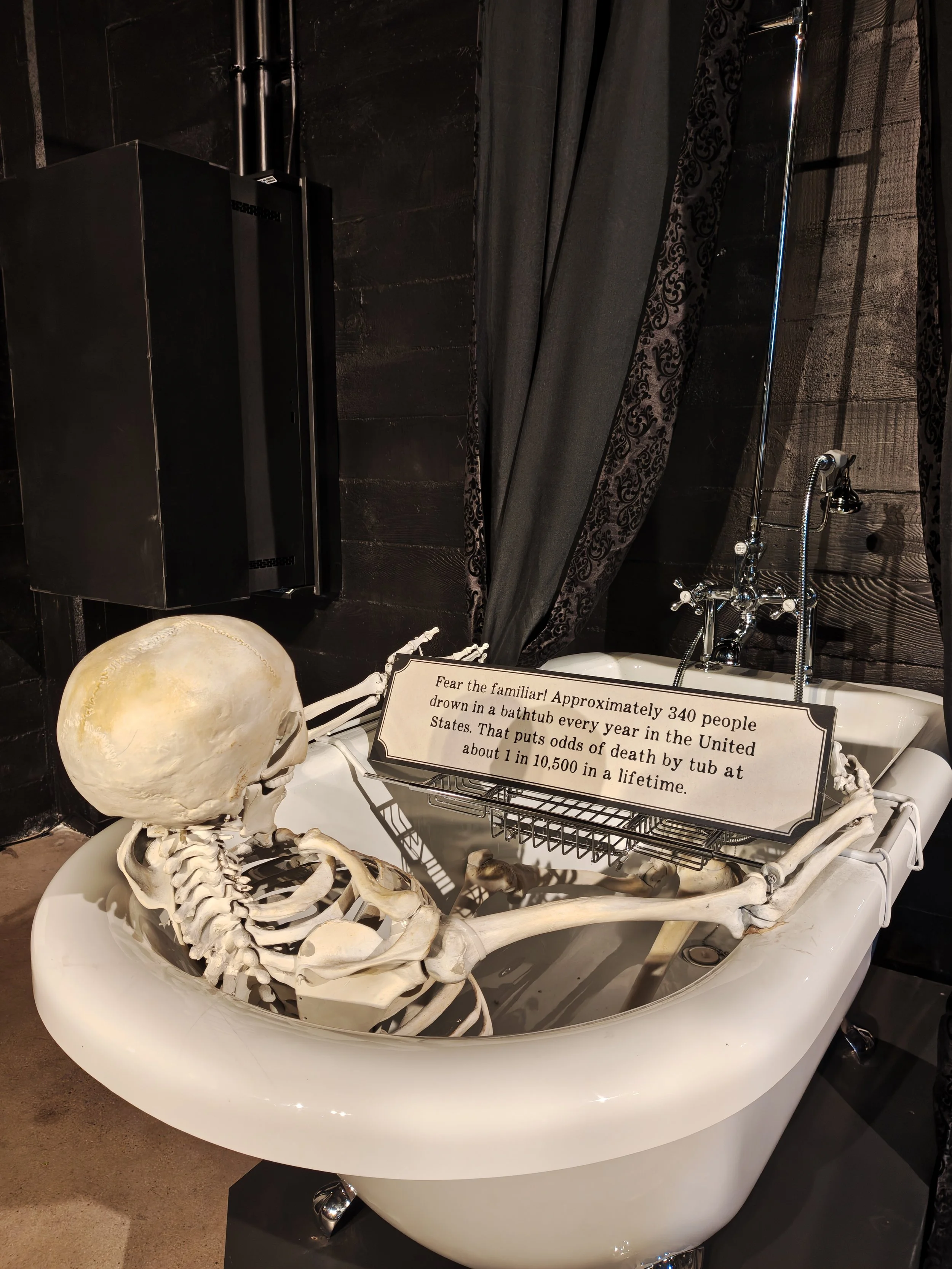
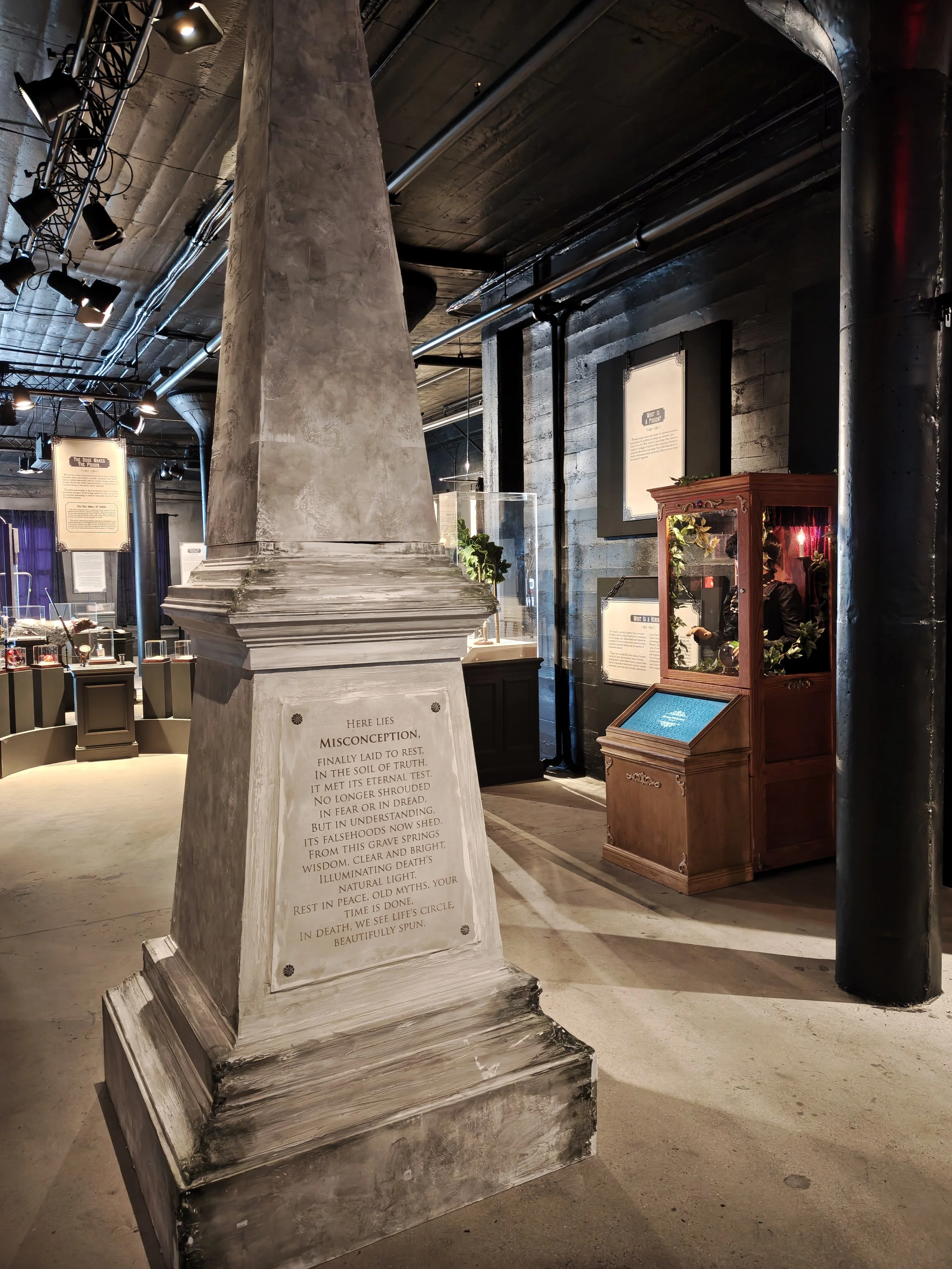
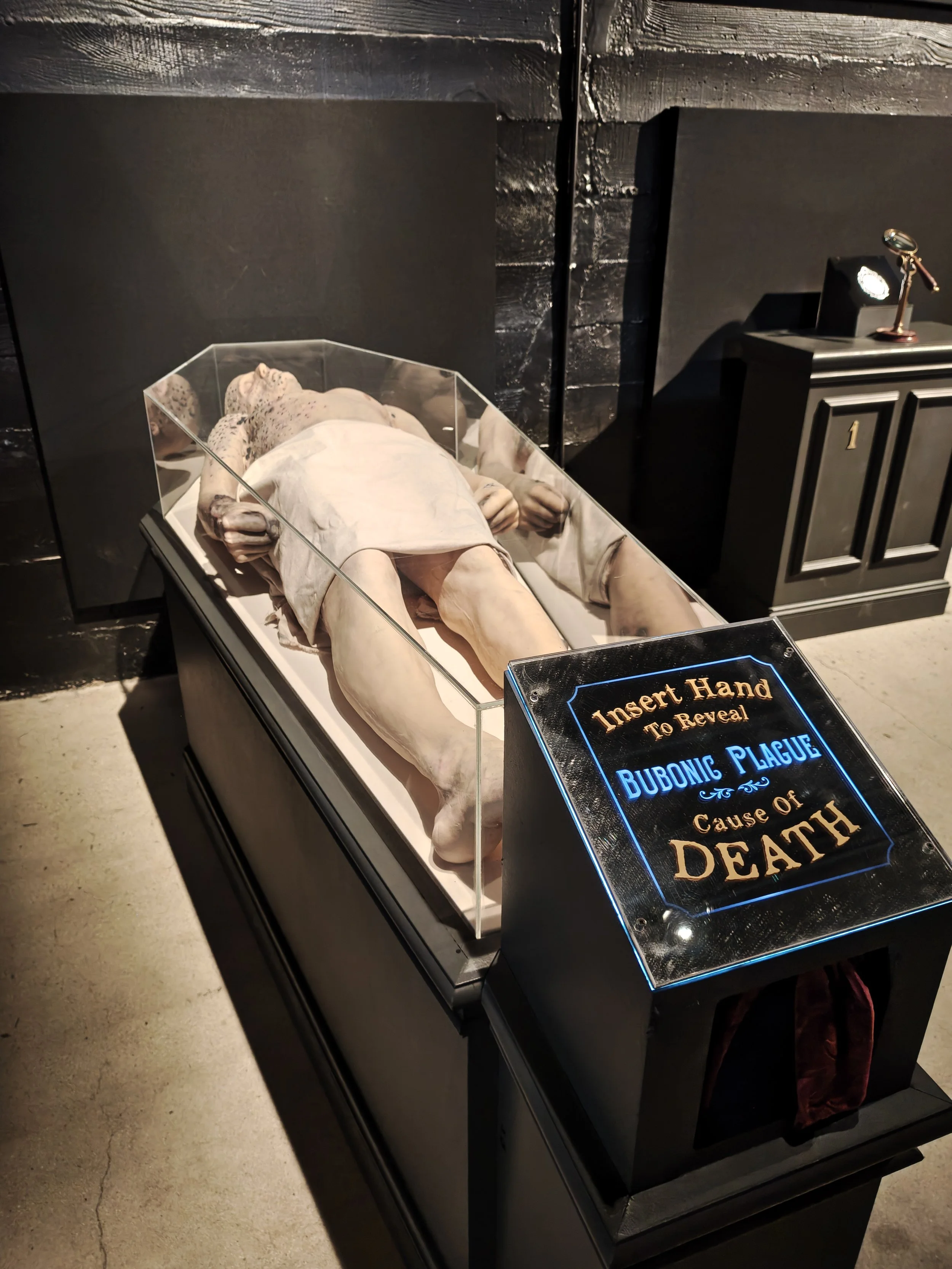
Meet the malefactors who do the Grim Reaper’s deadly work while disguised in delightful colors, sweet scents, unassuming identities, and more. Death By Natural Causes will introduce you to the range of “animal, vegetable and mineral” dangers that lurk in their everyday lives. Through a collection of specimens, text and interactives, visitors can see what can cause a death, either directly or indirectly, from the natural world. Poisonous, venomous and toxic are just a few of the terms that will be clarified, and things you interact with almost daily will be used as examples — mushrooms, snakes, spiders, and even common foods! Old wives tales and urban myths will be debunked, as visitors travel through five general areas of rich graphics, compelling visuals and surprising specimens.
Step inside and explore your fears, be they animal, vegetable or mineral, but tread lightly… You never know what treacherous creatures crawl just below your feet.
Hours of Operation
Monday – Thursday: 11:00 AM - 6:00 PM (last entry)
Friday - Sunday: 10:00 AM - 7:00 PM (last entry)
Field Trips
Interested in taking your school group on a field trip to Death by Natural Causes? Contact us at the form below!
Rates:
$5.00 per student
$10 per chaperone
1 free chaperone per 10 students
Death by Natural Causes - a touring exhibit created by the Houston Museum of Natural Science along with Stage 9 Exhibits. Support is provided by the John P. McGovern Foundation and the Harriet and Truett Latimer Endowment Fund.


Malevolent Minerals
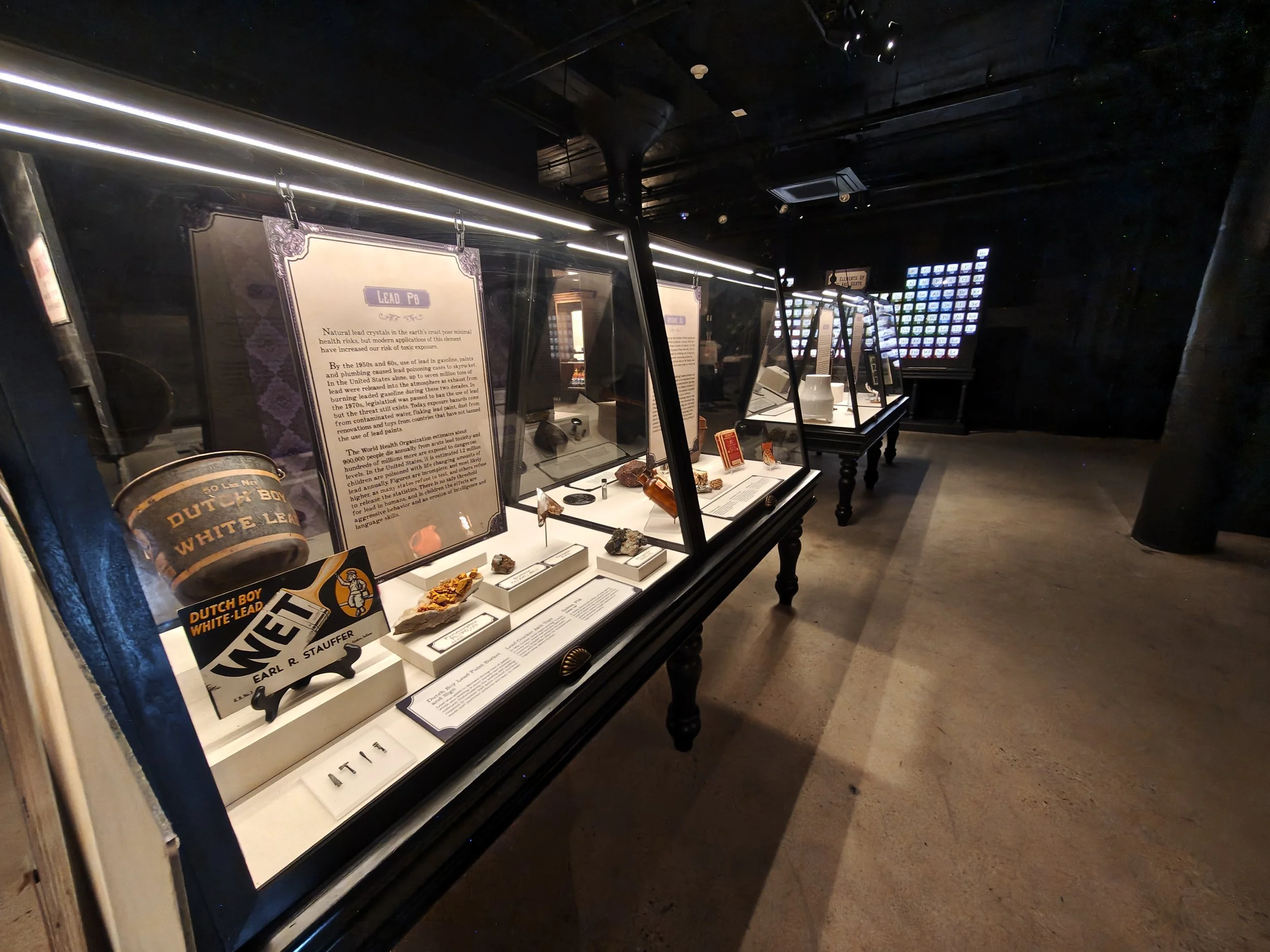
All elements are dangerous if you are exposed to sufficient doses in the right circumstances…
To create a mineral, two or more of the 92 naturally occurring elements must combine, often making the two individual elements more chemically stable, but often more toxic and readily absorbed. From “painter’s colic” to leaded wine, discover how beautiful but deadly minerals may have leeched into your life.

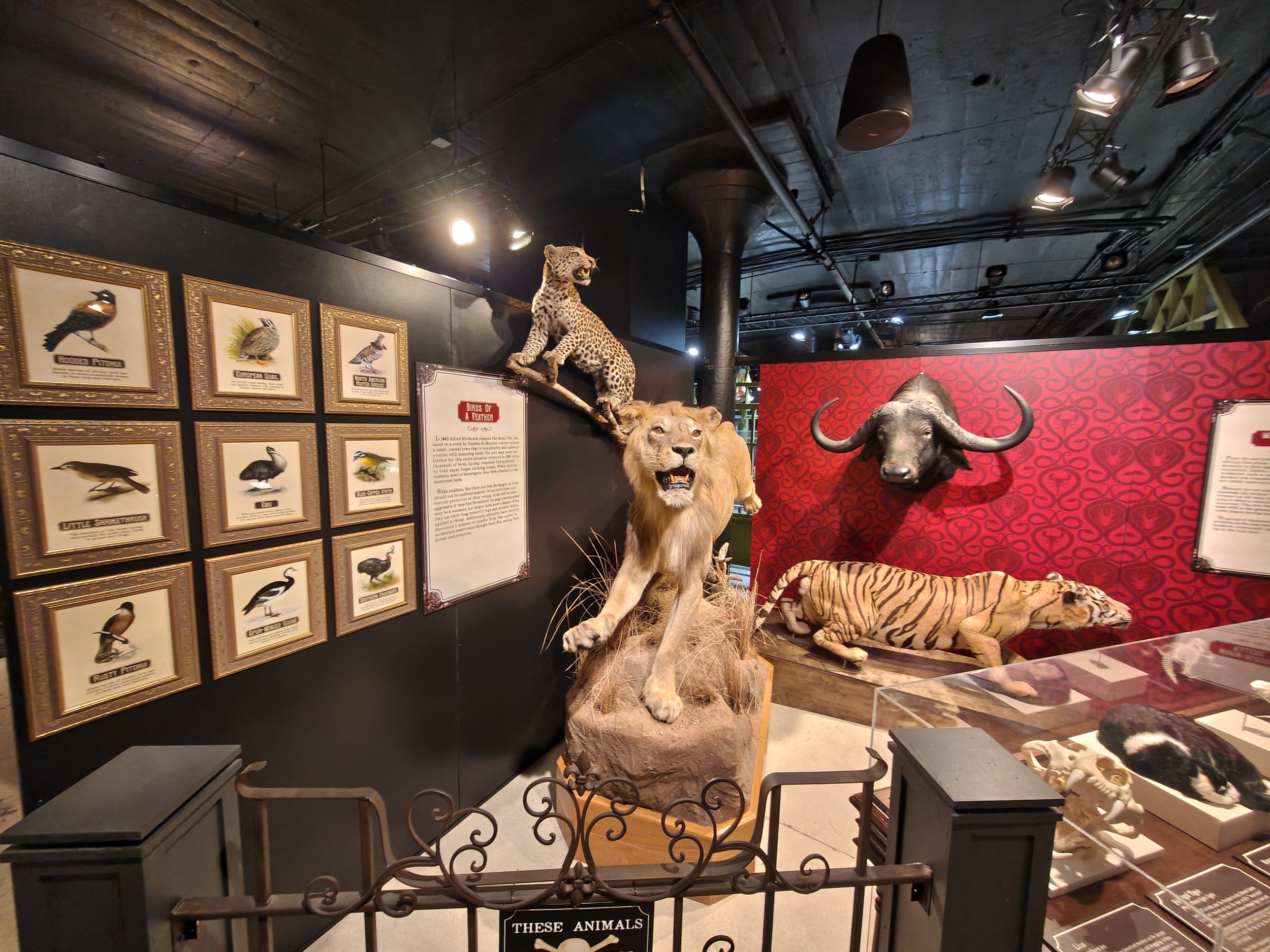
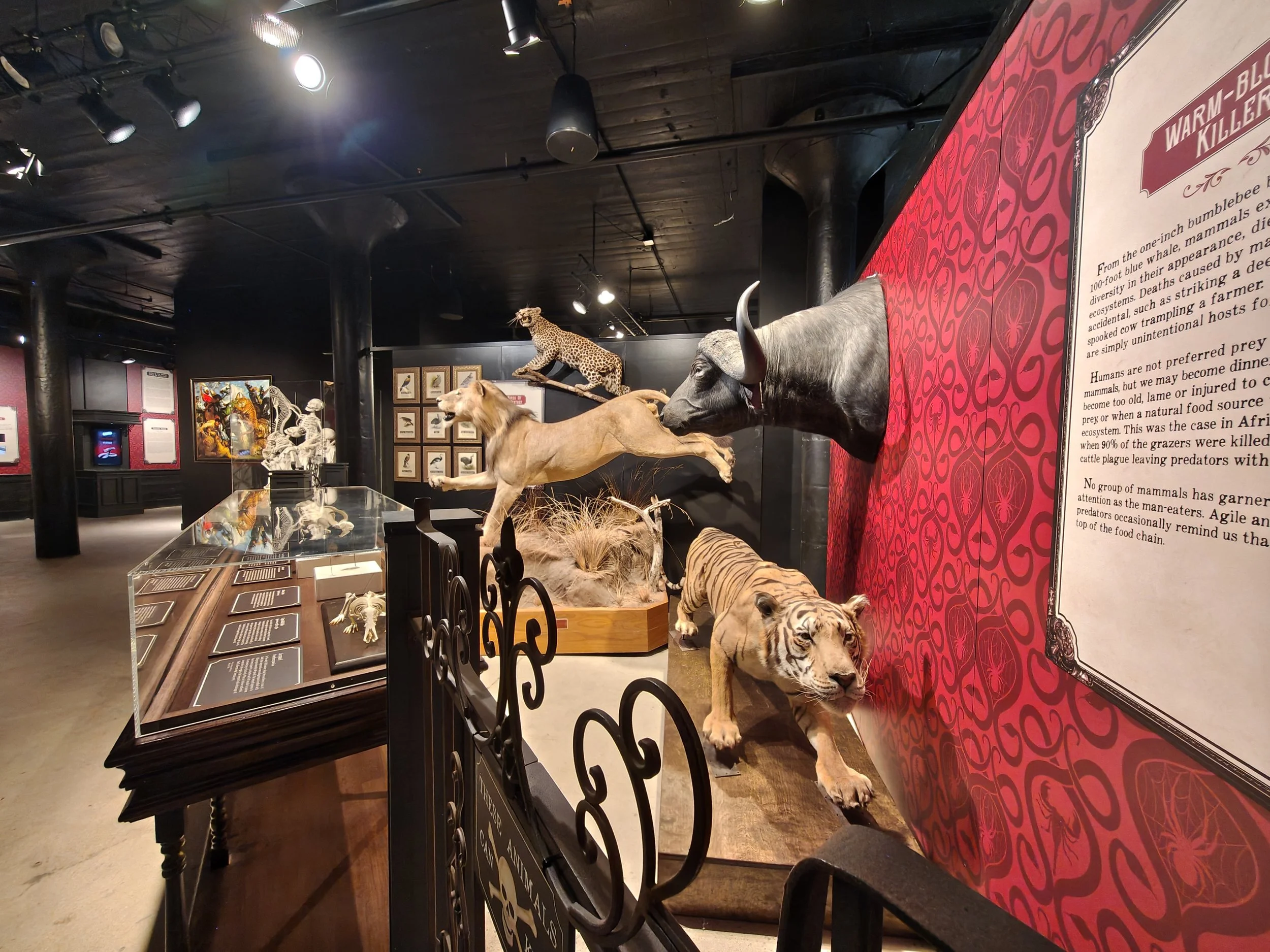
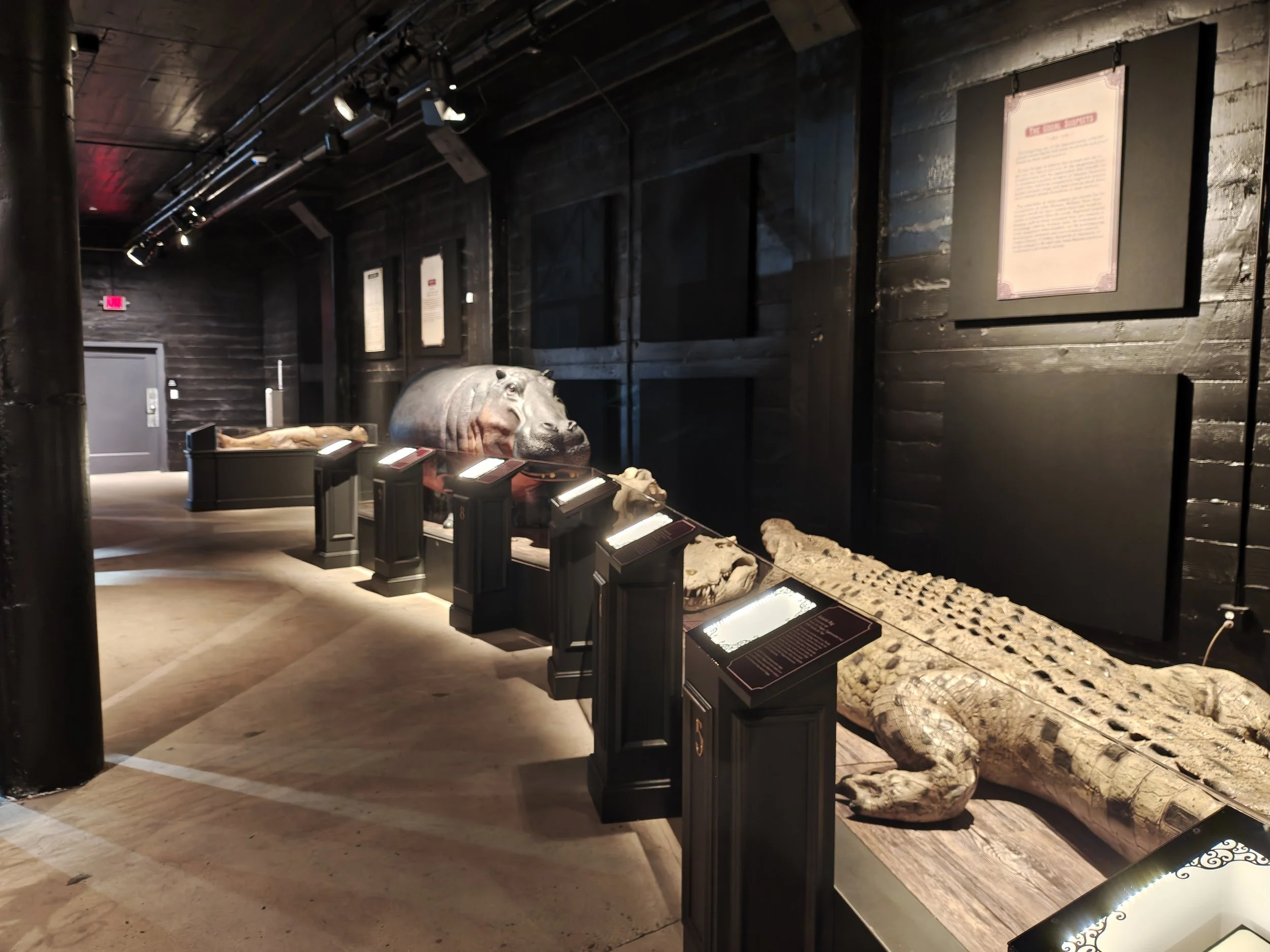
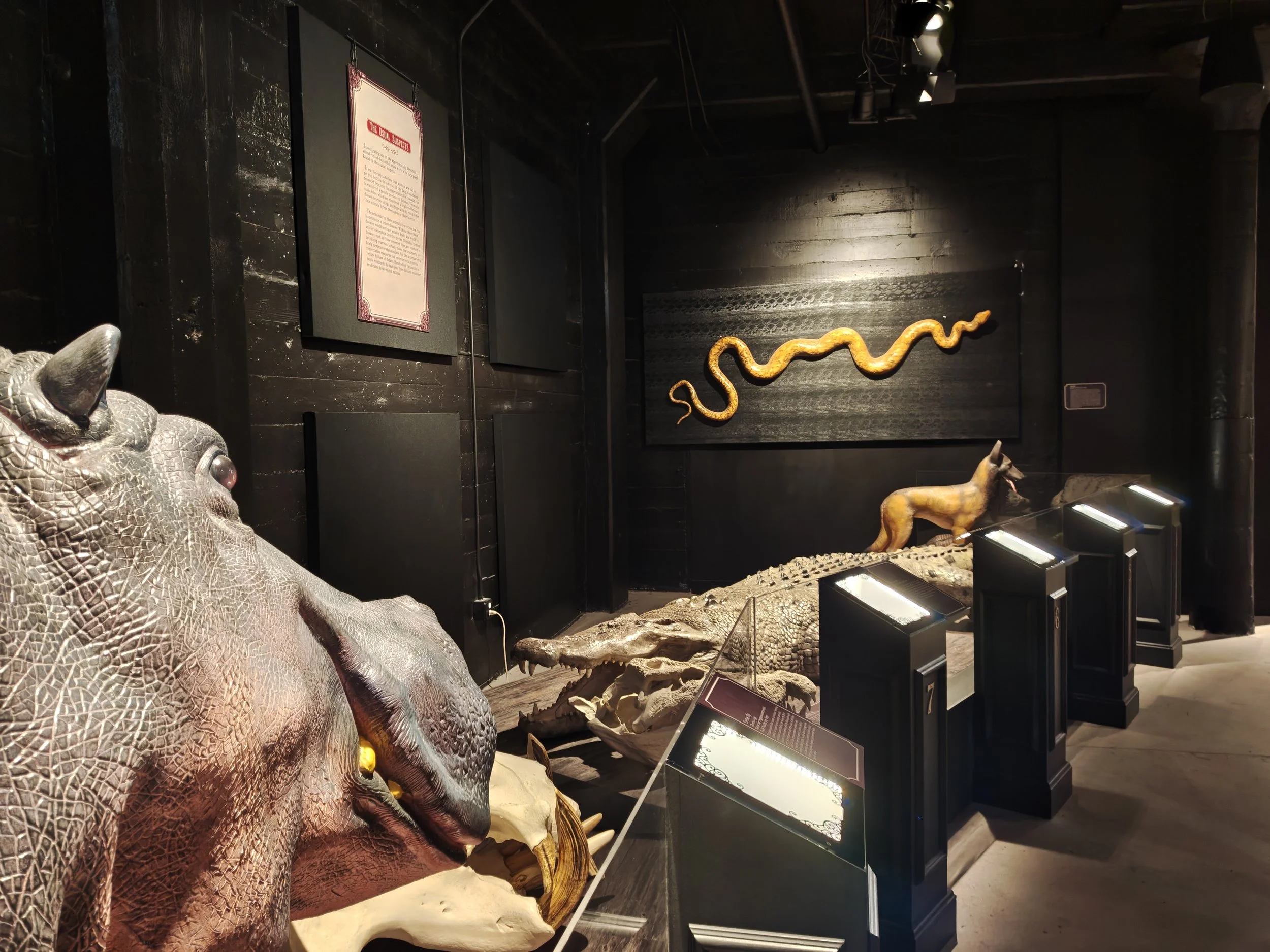
Fearsome Fauna
1,000,000 animal-related deaths that occur world-wide each year!
Man’s struggle with beast begins with fossilized human bones clearly showing predation by hyenas, bears, jaguars and other carnivores. But many invertebrates have evolved a diverse arsenal of toxic defenses, too. Just because you lack a spine doesn’t mean you are weak.
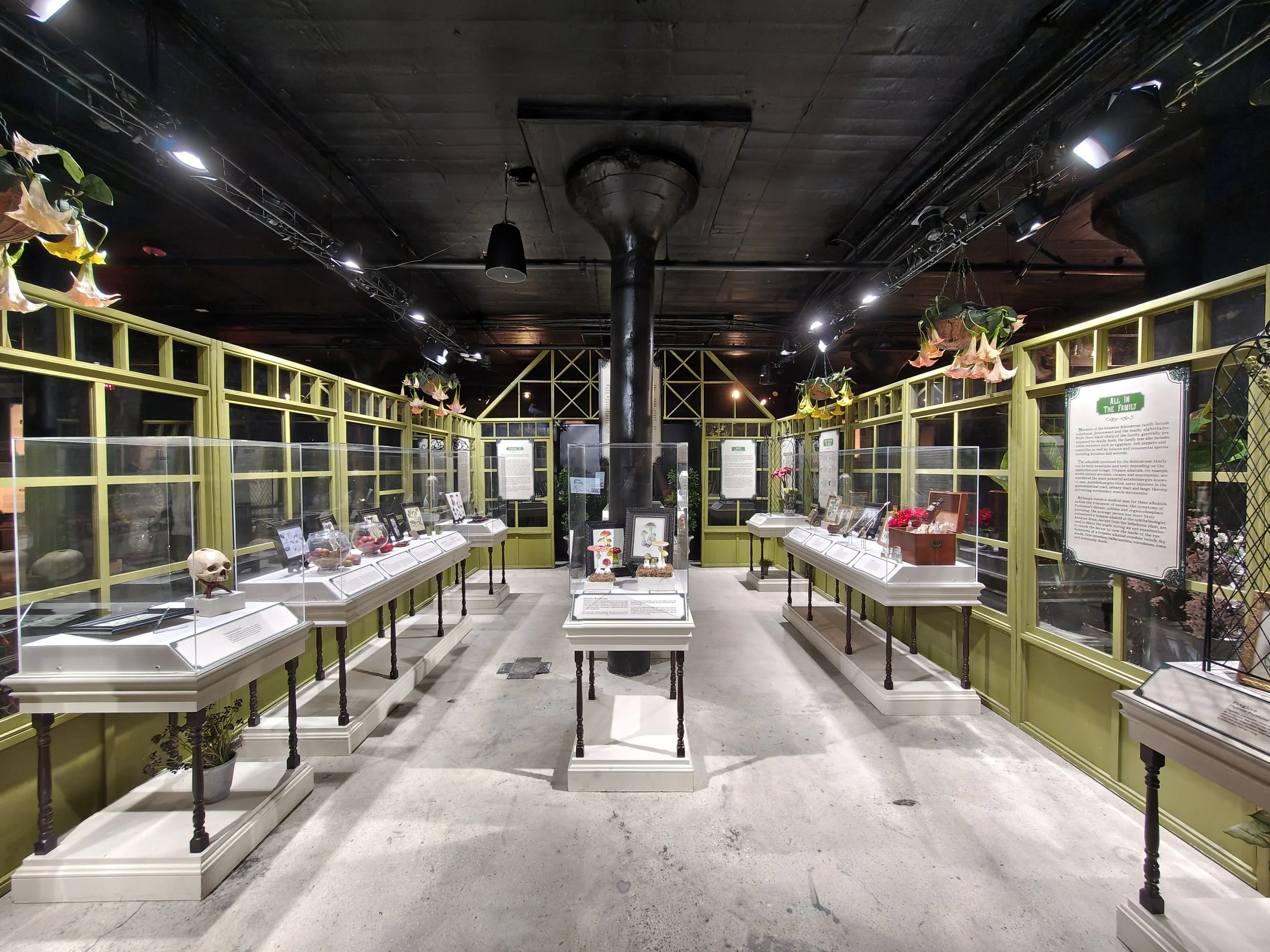
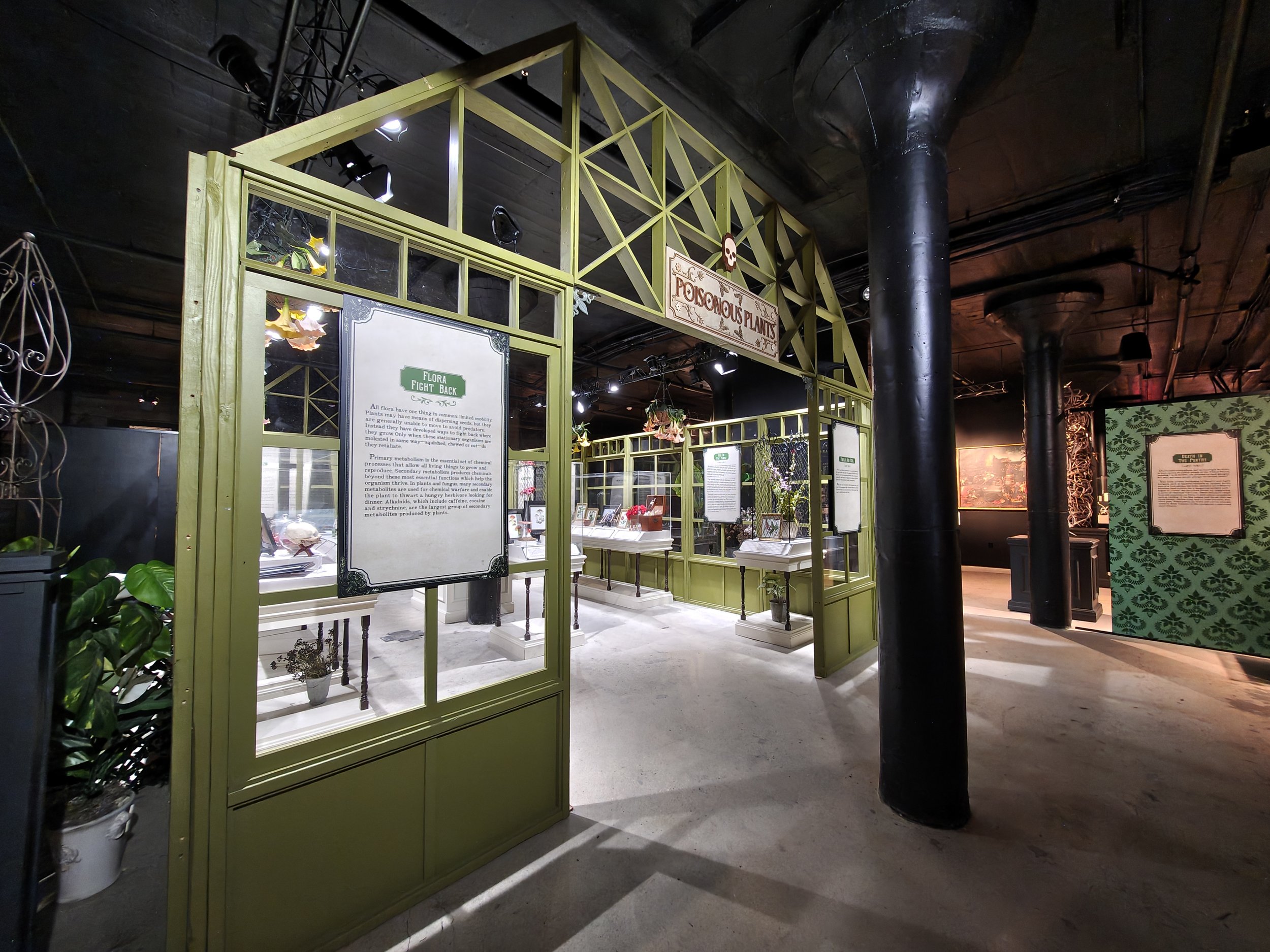
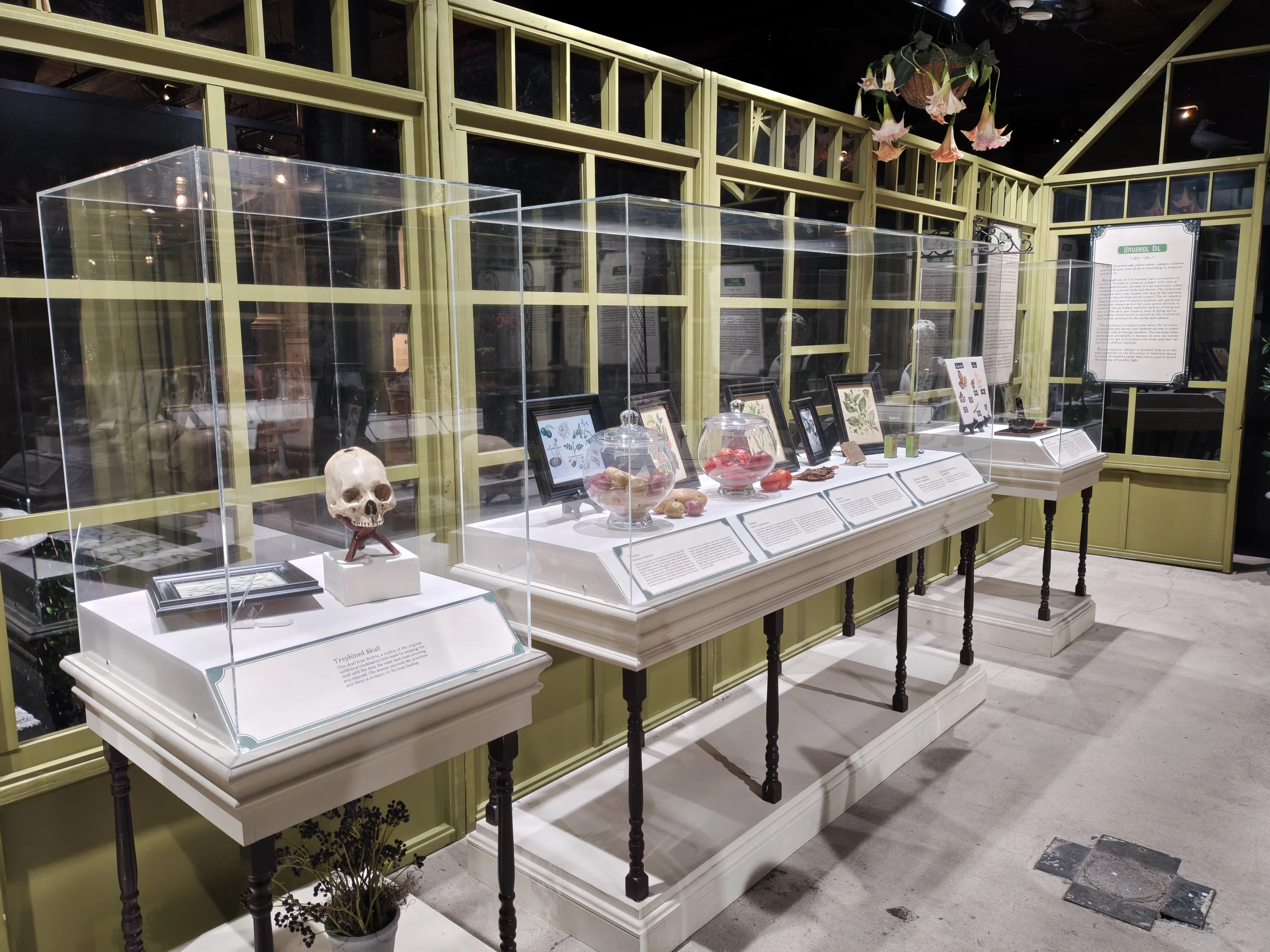
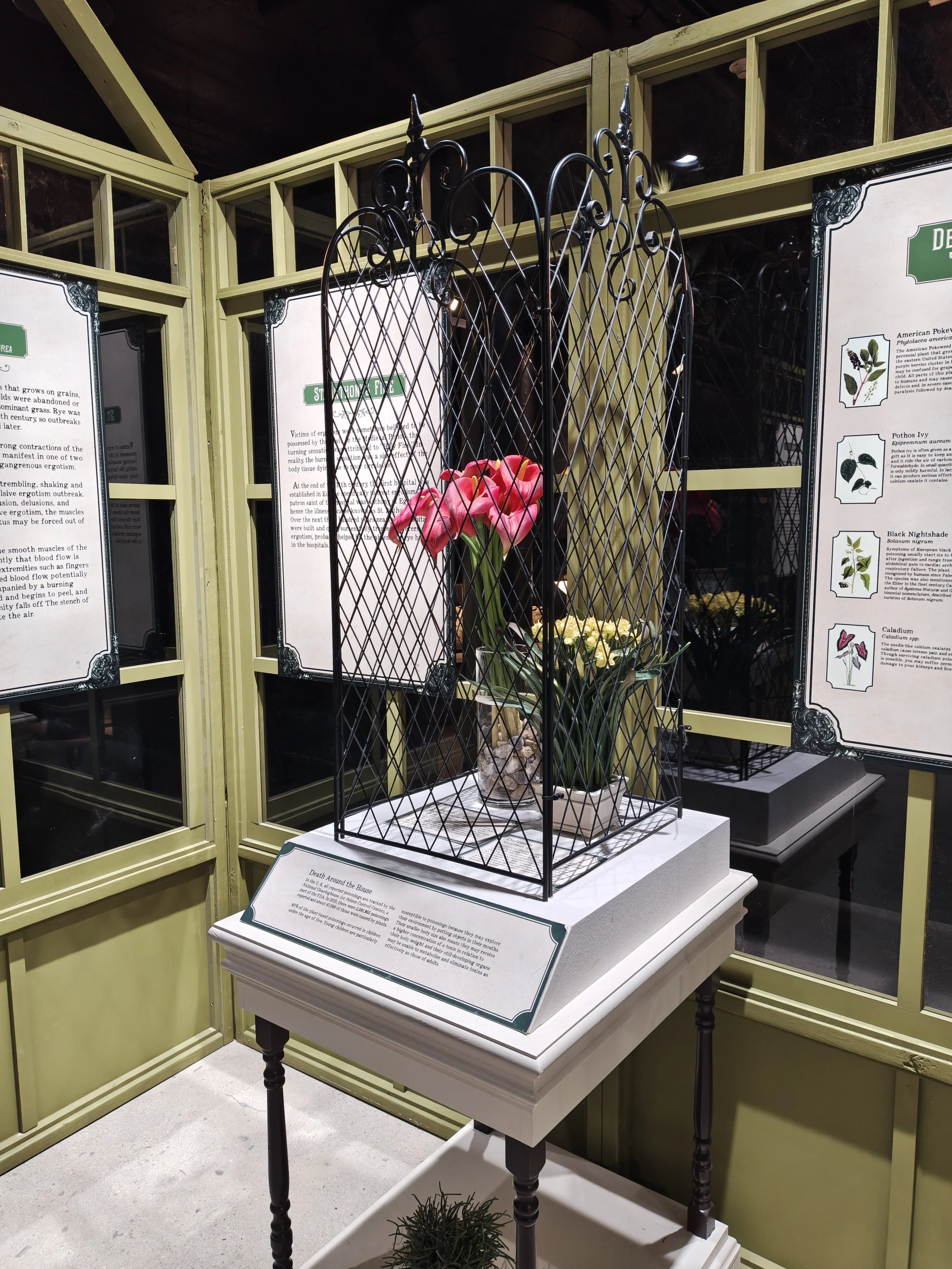
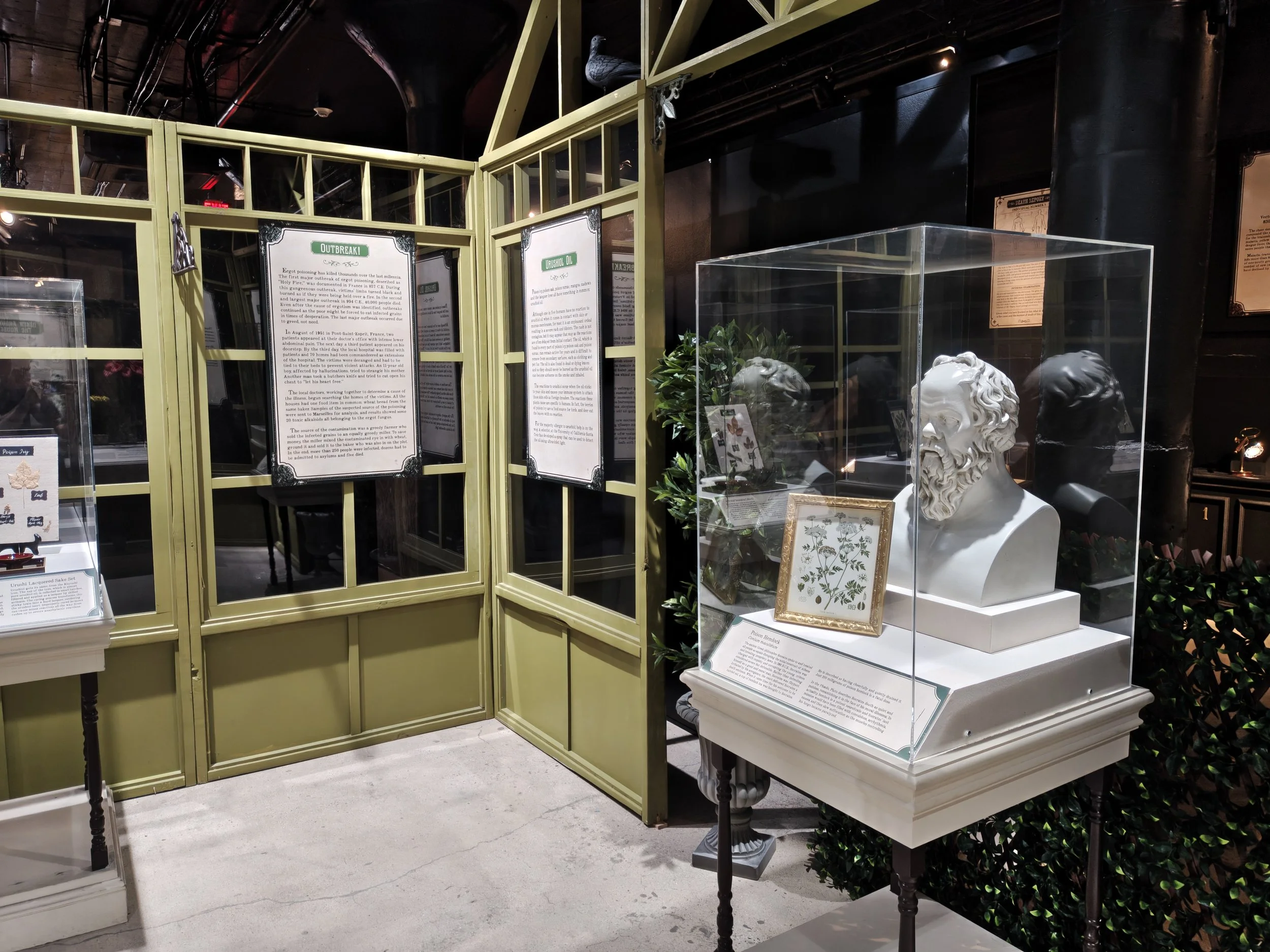
Poisonous Plants
A small selection of plants that may be both familiar and fatal…
Plants may have means of dispersing seeds, but they are generally unable to move to avoid predators. Instead they have developed ways to fight back where they grow. From strychnine to hemlock and digitalis to belladonna…while you may be familiar with the names, you may not be acquainted with the plants behind the poisons. Discover what trouble may be growing in your own backyard.